
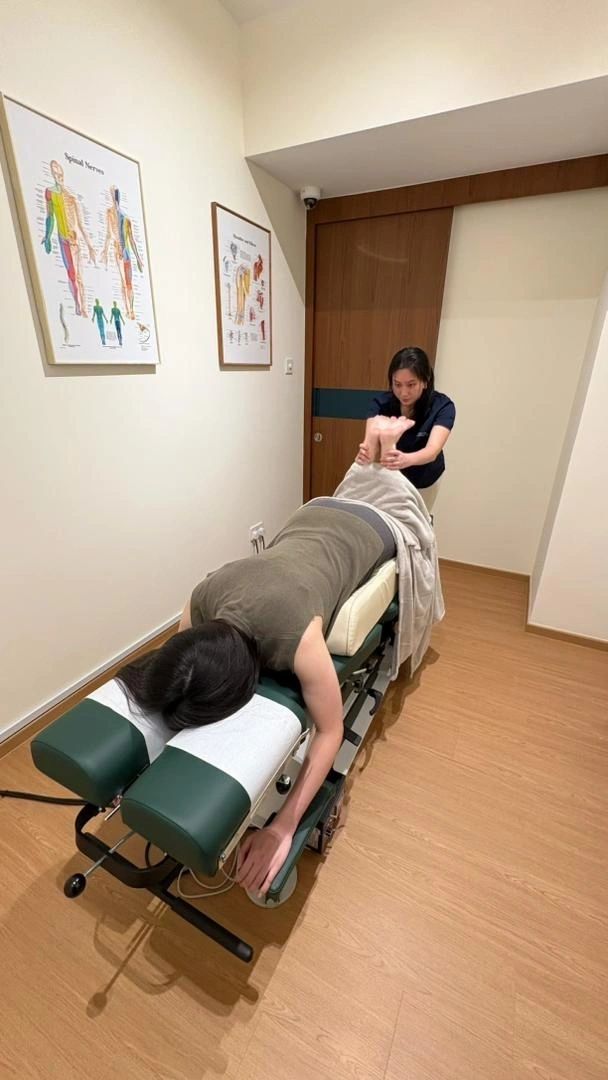
Back pain is one of the most common complaints among expectant and new mothers. Many women assume it is simply something they must “put up with” during pregnancy and the months after delivery. While it is very common, persistent back pain is not something you need to ignore or accept as inevitable.
Pregnancy places extraordinary physical demands on the body. Hormonal changes, shifting posture, weakened muscles, and the physical strain of caring for a newborn can all contribute to discomfort in the spine and pelvis. Understanding why back pain occurs during and after pregnancy can help mothers take the right steps toward recovery and long-term spinal health. Gentle chiropractic care is one approach that many mothers use to support their bodies during this important transition.
Hormonal Changes and Ligament Loosening
During pregnancy, the body releases several hormones that help prepare the pelvis for childbirth. One key hormone is Relaxin, which causes ligaments and joints to become more flexible. This increased flexibility allows the pelvis to expand during delivery, but it also reduces the natural stability of the spine and pelvic joints.
When ligaments become looser, the joints they support may move more than usual. This can place extra stress on the lower back, hips, and sacroiliac joints. Many pregnant women notice symptoms such as:
- Lower back ache
- Hip discomfort
- Pelvic pressure
- Pain when standing, walking, or turning in bed
These changes are a normal part of pregnancy, but they can create joint imbalances that lead to persistent discomfort if the body does not regain stability afterward.
Carrying and Feeding Posture
After the baby arrives, new mothers often spend long hours carrying, lifting, and feeding their newborn. These activities, while essential and meaningful, can place significant strain on the spine. For example, many mothers naturally lean forward while breastfeeding or bottle-feeding. Shoulders may round forward and the head may tilt downward for extended periods. Over time, this posture can overload the upper back and neck. Similarly, repeatedly lifting a baby from a crib, stroller, or car seat may strain the lower back if proper body mechanics are not used. Common posture-related symptoms include:
- Upper back tightness
- Neck stiffness
- Shoulder pain
- Lower back fatigue
Because these activities occur many times throughout the day, even small postural habits can accumulate into significant discomfort over time.
Core Muscle Weakness
During pregnancy, the abdominal muscles stretch to accommodate the growing baby. This can weaken the core muscles that normally support the spine. In some women, the abdominal muscles may partially separate, a condition known as Diastasis Recti. When the core muscles lose strength or coordination, the spine must compensate for the reduced support. As a result, the lower back muscles often work harder than they should, which can lead to:
- Lower back soreness
- Reduced stability when standing or walking
- Difficulty returning to exercise after delivery
Rebuilding core strength gradually after pregnancy is essential for restoring proper spinal support.
Pelvic Imbalance After Delivery
The pelvis undergoes significant changes during pregnancy and childbirth. Even after delivery, the pelvic joints may not immediately return to their original alignment. When the pelvis is not balanced, the spine above it may also compensate. This can create uneven pressure across the lower back and hips, leading to ongoing discomfort. Some mothers notice symptoms such as:
- Pain on one side of the lower back
- Hip tightness
- Difficulty standing evenly on both legs
- Discomfort when walking or climbing stairs
Addressing pelvic alignment is an important part of helping the body recover after pregnancy.
How Gentle Chiropractic Care Can Help
Chiropractic care focuses on the relationship between the spine, joints, and nervous system. For pregnant and postpartum women, gentle chiropractic techniques can help restore balance and improve overall function. A chiropractor trained in prenatal and postnatal care uses techniques specifically adapted for the changing body. These methods are designed to be safe, comfortable, and non-invasive. Chiropractic care may help by:
- Restoring spinal and pelvic alignment — gentle adjustments help correct joint restrictions or imbalances that may have developed during pregnancy or delivery.
- Reducing pressure on muscles and joints — improved alignment can decrease strain on the surrounding muscles, which often leads to reduced pain and improved mobility.
- Supporting better posture — chiropractors can guide mothers on proper positioning when feeding, lifting, and carrying their baby.
- Encouraging natural recovery — by improving joint movement and nerve communication, chiropractic care supports the body’s natural healing processes.
Many mothers report improvements in comfort, posture, and overall well-being when spinal balance is restored.
What is the Webster Technique?
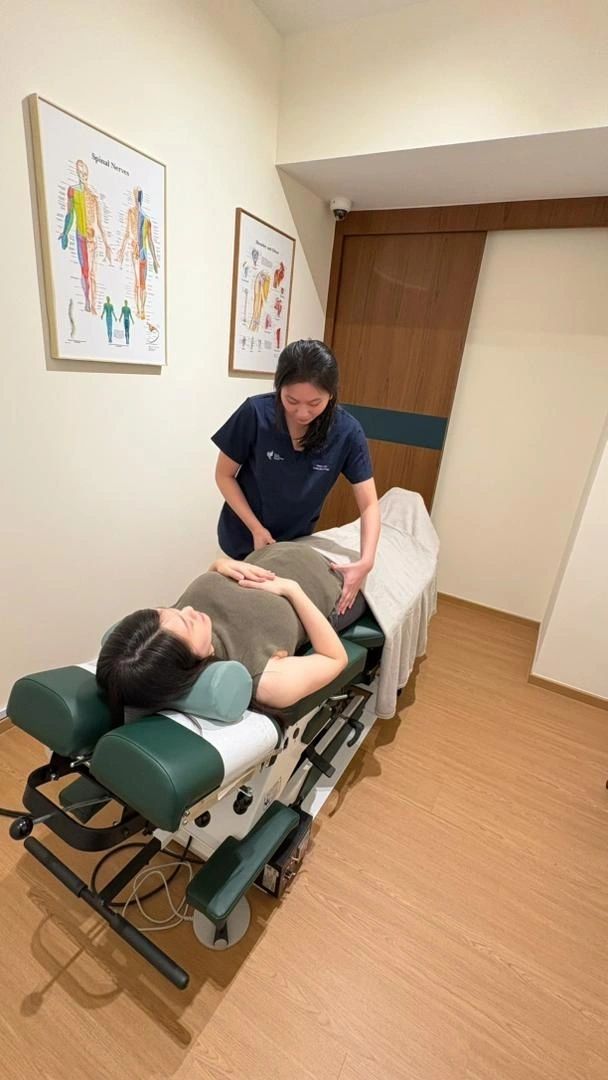
The Webster Technique is a specialized chiropractic approach designed to support comfort and balance in the body during pregnancy. Developed by Larry Webster, the technique focuses on improving pelvic alignment and reducing tension in the muscles and ligaments surrounding the pelvis and uterus.
During pregnancy, a woman’s body goes through rapid structural and hormonal changes. As the baby grows, the pelvis can sometimes become misaligned, and surrounding muscles or ligaments may tighten unevenly. This imbalance may create tension in the uterus and pelvis, which can contribute to discomfort such as lower-back pain, pelvic pain, or difficulty moving comfortably.
The Webster Technique involves gentle chiropractic adjustments to the sacrum (the triangular bone at the base of the spine) along with soft-tissue work on specific muscles and ligaments that influence pelvic balance. The goal is to restore more symmetrical movement and reduce mechanical stress in the pelvic region. When the pelvis and surrounding tissues are functioning optimally, the uterus may have more space to accommodate the baby’s natural positioning.
From a scientific perspective, the technique is based on biomechanical and neuromuscular principles. Proper spinal and pelvic alignment can influence how muscles, ligaments, and nerves function together. Chiropractic adjustments may help reduce abnormal joint restriction, improve mobility, and decrease muscular tension. In pregnancy, these changes may support better pelvic biomechanics and reduce strain on the surrounding structures.
Many pregnant women seek the Webster Technique to help relieve pregnancy-related discomfort, improve pelvic balance, and support overall mobility as their bodies adapt to the growing baby. While the technique is not intended to “turn” babies or treat specific obstetric conditions, restoring pelvic balance may help create a more favorable environment for natural fetal positioning.
At Caring Chiropractic Centre, all of our chiropractors are certified in prenatal care, allowing expectant mothers to receive gentle, pregnancy-appropriate support throughout their pregnancy journey.